
When we talk about overall health, individuals must think about heart, lungs, and diet. Few consider how the legs influence the general health of the body. But the idea of leg health tells us a lot about the risk of blood flow to the body, the health of the heart, and even of chronic diseases. From mild leg cramps to superficial varicose veins, leg changes may be an early indication that something is amiss. This article examines the surprising connection between legs and overall health, warning signs to watch out for, and steps to ensure legs and body remain healthy.
Why Legs and Overall Health Matters
The legs and overall health assist body weight, facilitate movement, and maintain the return of blood to the heart. A diseased leg may express the following underlying conditions:
- Circulatory problems: Inadequate blood circulation in the legs may be an indicator of peripheral artery disease or venous insufficiency.
- Heart issues: Leg swelling and pain could be an indicator that the heart cannot pump blood efficiently.
- Diabetes complications: Numbness and tingling in the legs could be caused by diabetic neuropathy.
Because these symptoms can lead to serious complications, they should not be overlooked. Therefore, leg health should be taken as part of legs and overall health.
Common Leg Problems and What They Mean
The legs and overall health give significant indications of the general body’s health. Prompt identification of common issues like pain, swelling and prominent veins can be able to avoid more complicated issues as well as enhance blood flow.
1. Varicose Veins and Spider Veins
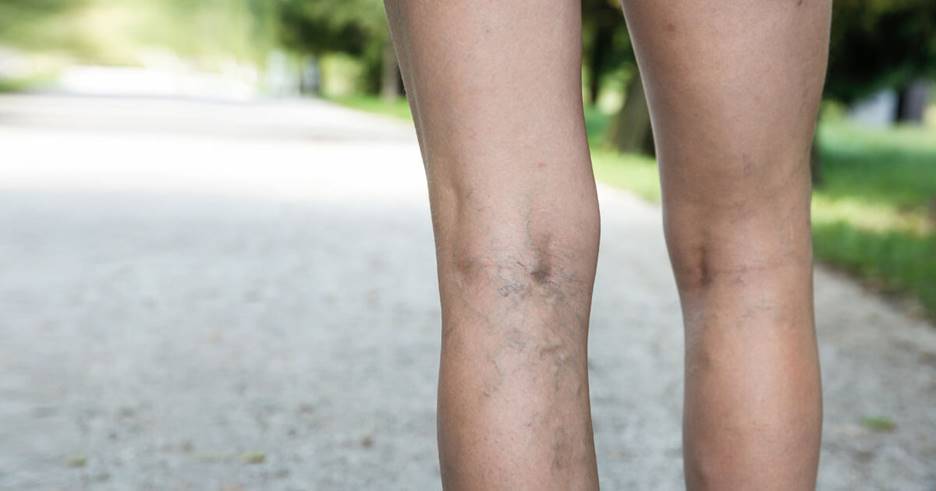
Varicose veins are swollen and distorted veins, which typically bulge just below the skin’s surface. Spider veins are small red or blue colored veins which resemble the eyes of a spider web. Both are symptoms of chronic venous insufficiency, which means the veins are inefficient and do not remove blood from the body.
Symptoms to watch for: Swelling in your legs, dullness, burning or pain. Left untreated, varicose veins may lead to blood clots and ulcers.
2. Leg Swelling
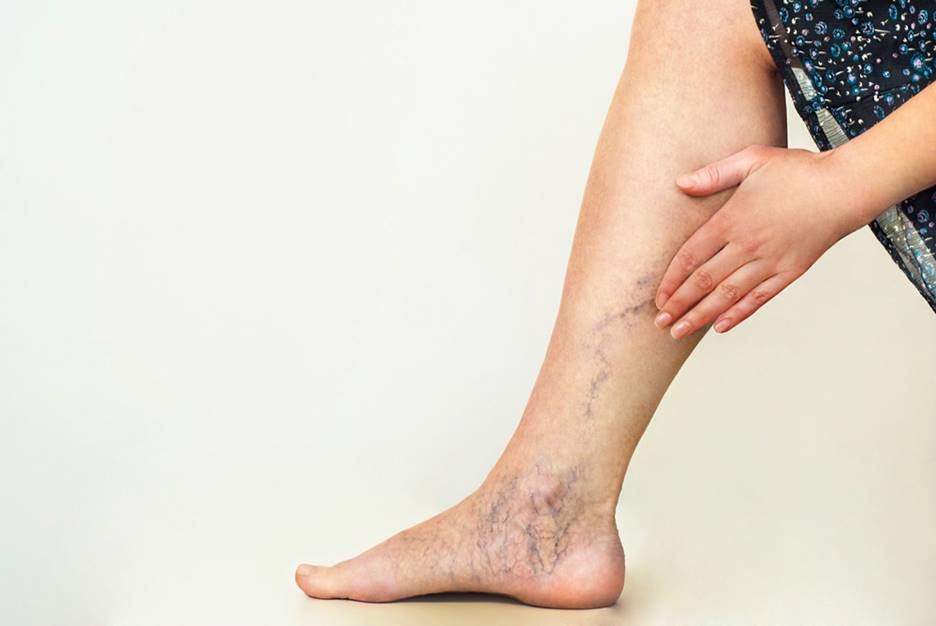
Leg swelling (known as edema) can result from standing and sitting for long periods of time. But long-term swelling can suggest:
- Heart issues
- Kidney disease
- Liver disease
- Vein issues
Swelling indicates that the body’s moisture is not properly released. Complications are avoided if caught early and addressed with coping mechanisms.
3. Leg Cramps and Muscle Pain
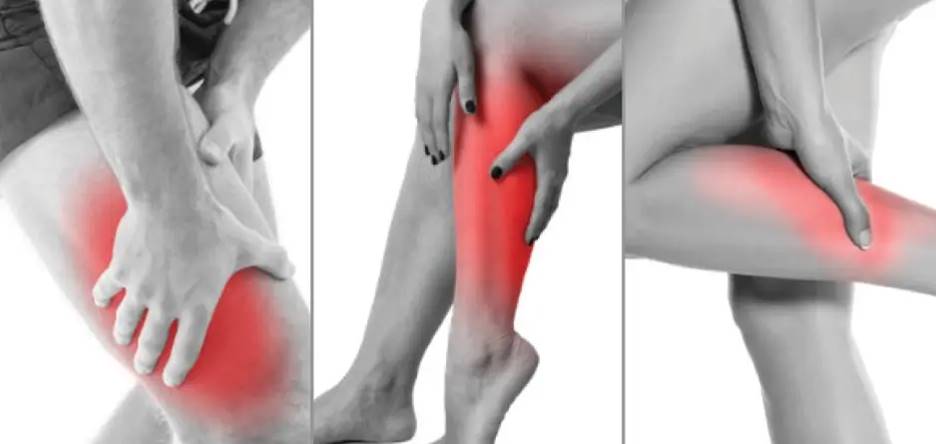
Leg cramps, particularly nighttime cramps, are usually innocuous but can reflect cardiovascular issues and nervous system pathology. Recurrent cramps are also linked with the following:
- Dehydration
- Electrolyte balance disturbance
- Medication side effects
Leg pain that persists is never to be ignored, especially if there are other symptoms, such as swelling and numbness.
4. Numbness and Tingling
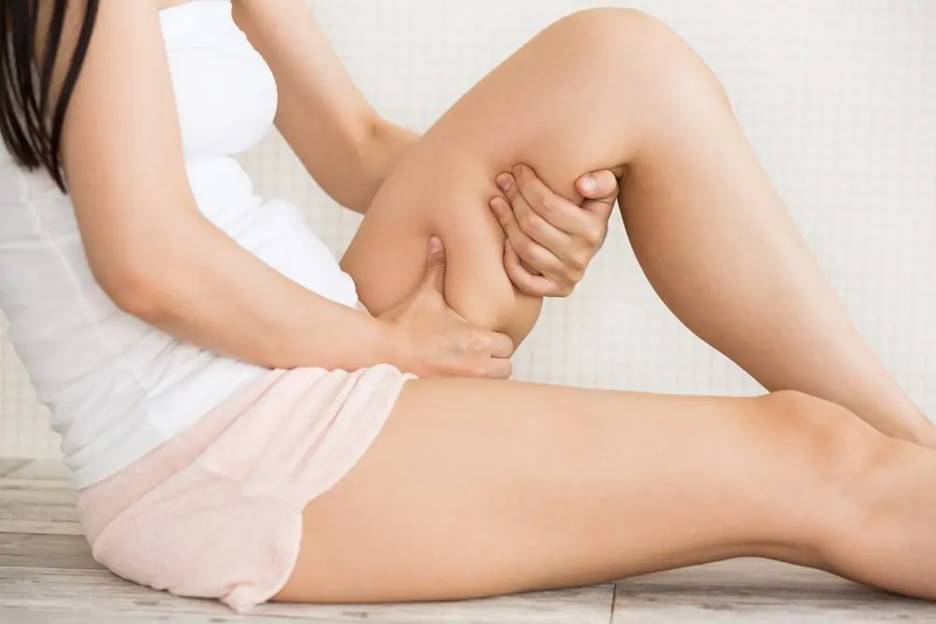
Numbness and tingling in the legs and overall health may be an indication of nerve damage. Reasons that could be responsible are as follows:
- Diabetes (neuropathy)
- Sciatica
- Peripheral artery disease
This symptom can exacerbate nerve damage if not dealt with, so one needs to act immediately.
5. Restless Legs
Uncomfortable leg syndrome (RLS) triggers movements that can’t be helped unless the legs and overall health are moved and is typically accompanied by pain. RLS is usually not dangerous, but can interfere with sleeping and well-being. It may also indicate underlying diseases such as iron deficiency, kidney disease and peripheral neuropathy.
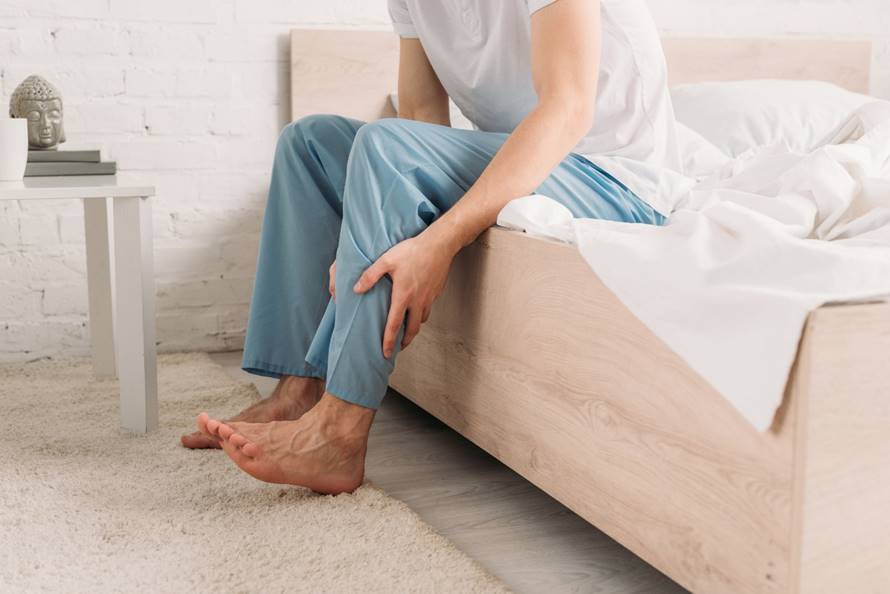
How Leg Health Reflects Your Overall Health
The legs and overall health are mirrors of the circulatory system in the body. If you notice a change in the legs, you will notice diseases of the heart, veins, and nerves at the early stage. This is an illustration of how legs and overall health represents the entire body:
- Circulation: Healthy veins circulate blood well. Varicose veins and swelling suggest disorders of circulation.
- Heart function: Staying blood on the legs may be heart disease or high blood pressure.
- Metabolic health: Leg pains, numbness and cramps may be the first signs of diabetes and obesity diseases.
- Mobility and fitness: Muscles in the legs may weaken and contribute to falls, decreased activity, and secondary illness.
By listening to these indications, early intervention is achievable, and in most instances, easier and more effective response is experienced than treating late-stage conditions.
Tips to Maintain Healthy Legs
Lifestyle and health care are crucial to ensure legs and overall health. The following are useful tips:
1. Exercise Regularly
Walking, swimming, and cycling can help increase blood circulation, strengthen the leg muscles, and prevent vein problems, swelling, and lower limb pain.
2. Maintain a Healthy Weight
Being overweight gives additional pressure to the veins, and hence, there are more chances for developing healthier veins and swollen legs. A healthy weight ensures proper blood flow of legs and overall health.
3. Avoid Prolonged Sitting or Standing
Sitting or standing for extended periods can make blood remain in the legs. Enhance blood flow by taking regular short walks, stretching and moving legs to maintain legs and overall health.
4. Wear Compression Garments
Pressure stockings and socks put mild pressure on the legs, facilitate blood reflux to the heart, decrease swelling, alleviate vein issues and long-term work pain.
5. Eat a Balanced Diet
Vitamins, antioxidants, and fiber rich foods; These nutritious foods keep veins and nerves healthy, prevent inflammation, and keep the blood flowing smoothly in the legs.
6. Stay Hydrated
Drinking enough water keeps the body hydrated, eliminates muscle cramp and ensures healthy circulation. This relieves foot fatigue and decreases the risk of venous issues.
When to See a Vein Specialist
If leg pain, swelling, visible varicose veins, spider-like veins, numbness and tingling are ongoing, it is a good idea to get medical help right away. These symptoms could mean that there is an underlying vein or circulatory issue which may get worse over time if not treated. Dr. Aron Robner and a skilled staff at the Tri-State Vein Specialist Clinic offer complete evaluation and professional care for most leg and vein issues. With a focus on treating the causes of symptoms, we offer advanced minimally invasive treatment that can improve circulation, ease discomfort and promote long-term leg health.
Why choose Tristate Vein Specialists:
- Comprehensive care: To treat symptoms and the underlying causes of venous disease.
- Advanced techniques: Restores normal blood flow through minimally invasive therapy including venous cauterization, venous seal, venous resection, baricena, sclerosis therapy.
- Transparent communication: Get a clear explanation of your condition and treatment options.
- Expertise in various conditions: From varicose veins to unbroken leg syndrome, sciatica, diabetic lower limb pain, etc.
Early consultation with a vein specialist leads to prevention of complications and health promotion of the whole body. Maintain healthy and strong legs with regular checkups.
Advanced Treatments Offered
The Tri-State Vein Specialty Clinic provides the latest medical procedures for speedy recovery and least discomfort:
- Vein Ablation: Close varicose veins using heat and enhance blood flow.
- VenaSeal: Closes the affected veins using medical adhesives and speeds up recovery.
- Sclerotherapy: Inject solution into spider-like veins to divert blood flow.
- Phlebectomy: Minimally invasive excision of varicose veins.
- Varithena: Form treatment with specialty in venous dysfunction.
- Compression Therapy: Ideal clothing to alleviate pain and swelling.
- Blood Flow Mapping: Detailed circulation assessment using ultrasonic technology.
All of these treatments correct not only visible signs but also long-term lower leg well-being.
Simple Steps to Monitor Your Legs at Home
You can monitor the health of your legs every day with a simple test:
- Check for varicose and spider veins.
- Monitor the swelling of ankles and calves.
- Watch for constant pain, cramping and numbness.
- Look for changes in the skin colour such as redness, blueness and pale.
- Registers the area of the mobile and muscle strength in the leg.
Through early detection of changes, you can act at the appropriate time and achieve better results.
Lifestyle Changes That Help Leg Health
It is necessary to make healthy habits:
- Daily walks: Improve blood circulation and increase muscle strength.
- Leg elevation: Prevents swelling and pain after prolonged standing.
- Stretching: Prevents lashes and enhances flexibility.
- Footwear: Well-supported shoes minimize the load on veins and joints.
- Not smoking: Smoking harms blood vessels and decreases blood flow.
Small adjustments can make a big difference in the health of legs and overall body health in the long term.
Conclusion
Feet are not only walking tools in life. It is a health mirror that indicates the legs and overall health. Symptoms like varicose veins, swelling, numbness and vagina aren’t just minor inconveniences, but may be signs of a more serious health problem. Paying attention to foot health and seeking professional care is essential to preventing complications and ensuring mobile independence and quality of life. If you have leg problems, professional consultation and treatment are provided by the Tri-State Vein Specialist Clinic. Comprehensive support of advanced technology, individualized care and diverse venous diseases are done by Dr. Aron Robner and his staff.